What is NACE MR0175 / ISO 15156 ?
Petroleum, petrochemical, and natural gas industries — Materials for use in H2S-containing environments in oil and gas production
Download NACE MR0175 / ISO 15156 standard in PDF
NACE is the National Association of Corrosion Engineers, NACE publishes many documents related to corrosion control including NACE MR0175 which provides the requirements for metallic materials exposed to H2S in oil and gas production environments.
NACE MR0175 / ISO 15156 defines the metallurgical and environmental conditions under which metallic materials (especially steels) are considered resistant to sulfide stress cracking (SSC), hydrogen-induced cracking (HIC), and stress corrosion cracking (SCC) in sour (H₂S-containing) oil and gas environments.
- Petroleum and natural gas industries—Materials for use in H2S-containing Environments in oil and gas production—
- Part 1: General principles for selection of cracking-resistant materials
- Part 2: Cracking-resistant carbon and low-alloy steels, and the use of cast irons
- Part 3: Cracking-resistant CRAs (corrosion resistant alloys) and other alloys
Why NACE MR0175 ISO 15156?
In sour service environments (where H₂S is present), materials are highly susceptible to sulfide stress cracking, especially under tensile stress. NACE MR0175 specifies the strict material selection, heat treatment, and hardness limits to minimize this risk.
Sour environments (H₂S) might cause:
- Hydrogen-induced cracking (HIC)
- Stress corrosion cracking (SCC)
- Blistering or embrittlement
NACE MR0175 ensures materials can withstand these long-term degradation mechanisms, especially in downhole, offshore, and subsea conditions.
abbreviated terms
- SSC (sulfide stress-cracking)
- cracking of metal involving anodic processes of localized corrosion and tensile stress (residual and/or applied) in the presence of water and H2S
- HIC(hydrogen-induced cracking
- planar cracking that occurs in carbon and low alloy steels when atomic hydrogen diffuses into the steel and then combines to form molecular hydrogen at trap sites
- SOHIC(stress-oriented hydrogen-induced cracking)
- SCC (stress corrosion cracking)
- HSC(hydrogen stress cracking)
- SZC(soft-zone cracking)
- SWC(Step-wise cracking)
- CRA(Corrosion-resistant alloy)
- HRC(Rockwell hardness)
- HBW (Brinell hardness)
- HV (Vickers hardness)
- HZC(Heat-affected zone)
- SOUR SERVICE: exposure to oilfield environments that contain sufficient H2S to cause cracking of materials by the mechanisms addressed by this part of ISO 15156
ANSI/NACE MR0175/ISO 15156 is applicable to materials used for the following equipment
| ANSI/NACE MR0175/ISO 15156 is applicable to materials used for the following equipment | Permitted exclusions |
|---|---|
| Drilling, well construction and well – servicing equipment | Equipment exposed only to drilling fluids of controlled composition<sup>a</sup> Drill bits Blowout preventer (BOP) shear blades Drilling riser systems Work strings Wireline and wireline equipment Surface and intermediate casing |
| Wells, including subsurface equipment, gas lift equipment, wellheads and christmas trees | Sucker rod pumps and sucker rods Electric submersible pumps Other artificial lift equipment Slips |
| Flow – lines, gathering lines, field facilities and field processing plants | Crude oil storage and handling facilities operating at a total absolute pressure below 0.45 MPa (65 psi) |
| Water – handling equipment | Water – handling facilities operating at a total absolute pressure below 0.45 MPa (65 psi) Water injection and water disposal equipment |
| Natural gas treatment plants | — |
| Transportation pipelines for liquids, gases and multiphase fluids | Lines handling gas prepared for general commercial and domestic use |
| For all equipment above | Components loaded only in compression |
See A.2.3.2.3 for more information.
See A.2.3.2.1 for more information.
Wireline lubricators and lubricator connecting devices are not permitted exclusions.
For sucker rod pumps and sucker rods, reference can be made to NACE MR0175
Mandatory for Sour Service Projects
Many operators (like Aramco, Shell, TotalEnergies, Chevron, Petrobras) require strict NACE MR0175 compliance for:
- Tubing, casing, and wellhead components
- Pressure vessels, flanges, fittings, valves
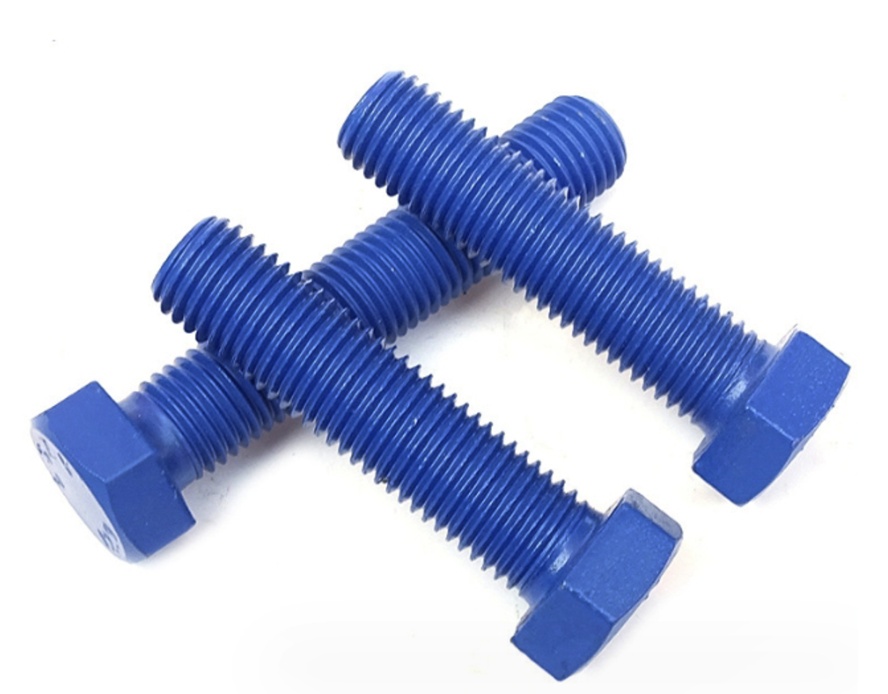
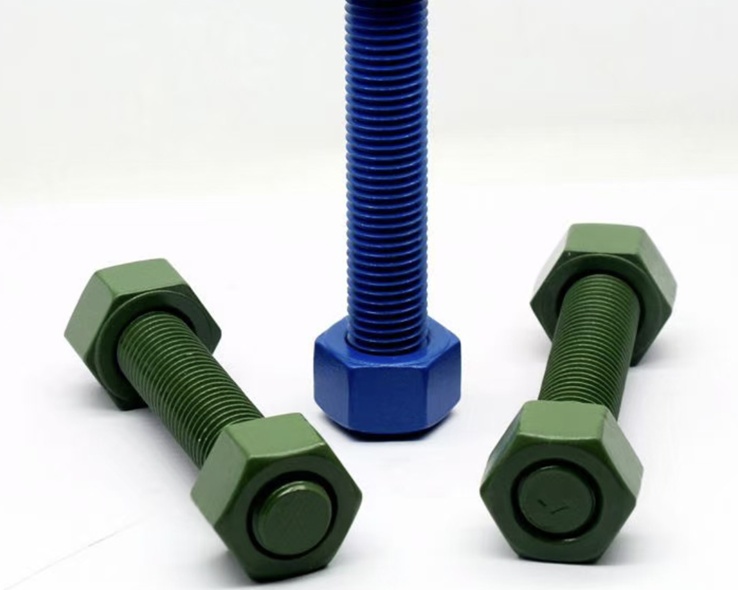
- Stud bolts and fasteners
SSC-resistant carbon and low alloy steels (and requirements and recommendations for the use of cast irons)
Parent metal composition, heat treatment and hardness requirement
Carbon and low – alloy steels are acceptable at 22 HRC maximum hardness provided they contain less than 1 % mass fraction nickel, are not free – machining steels and are used in one of the following heat – treatment conditions:
- a) hot – rolled (carbon steels only);
- b) annealed;
- c) normalized;
- d) normalized and tempered;
- e) normalized, austenitized, quenched, and tempered;
- f) austenitized, quenched, and tempered.
Carbon steels acceptable with revised or additional restrictions
In addition to the restrictions of A.2.1.2, some carbon steels are acceptable subject to the following revised or additional restrictions.
- a) Forgings produced in accordance with ASTM A105 are acceptable if the hardness does not exceed 187 HBW.
- b) Wrought pipe fittings to ASTM A234, grades WPB and WPC are acceptable if the hardness does not exceed 197 HBW.
SSC-Resistant Steel Grades,NACE MR 0175 Compliance material we can supply
| Material | Standard | Typical Use | Notes |
|---|---|---|---|
| ASTM A105 (Normalized) | Forgings | Flanges, fittings | Must be normalized and hardness ≤ 22 HRC |
| ASTM A350 LF2 Class 1 | Forged carbon steel | Low-temp flanges, valves | Acceptable if normalized or normalized & tempered |
| ASTM A694 F52 – F65 | High-strength forgings | High-pressure flanges | May require PWHT to meet HRC ≤ 22 |
| AISI 4130 / ASTM A29 | Cr-Mo alloy | Pressure control equipment | Must be quenched & tempered; strict hardness control |
| ASTM A182 F22 (2.25Cr-1Mo) | Forged alloy steel | Refinery, power plant piping | Acceptable with proper PWHT; limit hardness |
| ASTM A516 Gr. 70 (normalized) | Pressure vessel plates | Storage tanks, pressure vessels | Hardness control essential |
| ASTM A106 Gr. B (normalized) | Seamless pipe | Sour service piping | Must be normalized |
Acceptable bolting materials Compliance to NACE MR0175
| Bolts | Nuts |
|---|---|
| ASTM A193 grade B7M ASTM A320 grade L7M | ASTM A194 grades 2HM, 7M |